Warning System for War and Crisis Situations

Warning System for War and Crisis Situations

Reliable Warning Even When Everything Else Fails

In times of military conflict and emergencies, every second counts. Infrastructure is often the first to fail: mobile networks become overloaded, internet access is lost, and power supplies are disrupted. Information does not reach the public in time, precisely when it is needed most.

Public warning, however, cannot fail. It must remain operational even when conventional infrastructure can no longer be relied upon.

Our solution combines electronic, mobile, and portable warning devices into one coordinated system. The individual components complement one another, enabling a response to changing field conditions, communication network outages, or damaged infrastructure. The result is a flexible and resilient system capable of warning the public both in peacetime and during large-scale crises.

pdf_logo_file     Warning System for War and Crisis Situations

Warning system for crisis situations with electronic sirens

Reliable Warning Even When Everything Else Fails

In times of military conflict and emergencies, every second counts. Infrastructure is often the first to fail: mobile networks become overloaded, internet access is lost, and power supplies are disrupted. Information does not reach the public in time, precisely when it is needed most.

Public warning, however, cannot fail. It must remain operational even when conventional infrastructure can no longer be relied upon.

Our solution combines electronic, mobile, and portable warning devices into one coordinated system. The individual components complement one another, enabling a response to changing field conditions, communication network outages, or damaged infrastructure. The result is a flexible and resilient system capable of warning the public both in peacetime and during large-scale crises.

pdf_logo_file     Warning System for War and Crisis Situations

Warning system for crisis situations with electronic sirens

Warning Continuity

All system components work together as one. Central control, automated scenarios, and redundant communication channels ensure that warnings continue without interruption, even when infrastructure is damaged or field conditions change. The result is reliable public information throughout the entire crisis.

Area-Wide Coverage of the At-Risk Territory

Pavian electronic sirens form the foundation of the system. They provide rapid, area-wide public warning and clear voice instructions even during power outages or communication network failures. This ensures that critical information remains available precisely when it is needed most.

Flexible Warning Directly in the Field

Pavian Car mobile sirens extend coverage wherever fixed infrastructure is insufficient or has been damaged. They enable authorities to inform the public promptly, support evacuation management, and respond directly in affected areas as the situation evolves.

Rapid Deployment Anywhere

Pavian Portable sirens make it possible to establish a new warning point within minutes. They deliver reliable warning to evacuation centres, temporary sites, or areas where no infrastructure is available.

Warning Continuity

All system components work together as one. Central control, automated scenarios, and redundant communication channels ensure that warnings continue without interruption, even when infrastructure is damaged or field conditions change. The result is reliable public information throughout the entire crisis.

Area-Wide Coverage of the At-Risk Territory

Pavian electronic sirens form the foundation of the system. They provide rapid, area-wide public warning and clear voice instructions even during power outages or communication network failures. This ensures that critical information remains available precisely when it is needed most.

Flexible Warning Directly in the Field

Pavian Car mobile sirens extend coverage wherever fixed infrastructure is insufficient or has been damaged. They enable authorities to inform the public promptly, support evacuation management, and respond directly in affected areas as the situation evolves.

Rapid Deployment Anywhere

Pavian Portable sirens make it possible to establish a new warning point within minutes. They deliver reliable warning to evacuation centres, temporary sites, or areas where no infrastructure is available.

Warning Continuity

All system components work together as one. Central control, automated scenarios, and redundant communication channels ensure that warnings continue without interruption, even when infrastructure is damaged or field conditions change. The result is reliable public information throughout the entire crisis.

Area-Wide Coverage of the At-Risk Territory

Pavian electronic sirens form the foundation of the system. They provide rapid, area-wide public warning and clear voice instructions even during power outages or communication network failures. This ensures that critical information remains available precisely when it is needed most.

Flexible Warning Directly in the Field

Pavian Car mobile sirens extend coverage wherever fixed infrastructure is insufficient or has been damaged. They enable authorities to inform the public promptly, support evacuation management, and respond directly in affected areas as the situation evolves.

Rapid Deployment Anywhere

Pavian Portable sirens make it possible to establish a new warning point within minutes. They deliver reliable warning to evacuation centres, temporary sites, or areas where no infrastructure is available.

Prepared for Real-World Crisis Scenarios

The system is designed to respond to a wide range of threats, from military attacks to technological accidents. Warnings can be activated automatically when an event is detected or manually from different levels of control.

A key feature is the ability to target warnings to a specific area. This ensures that the public receives accurate, relevant information without causing unnecessary panic.

Warning system for crisis situations with electronic siren during an air attack

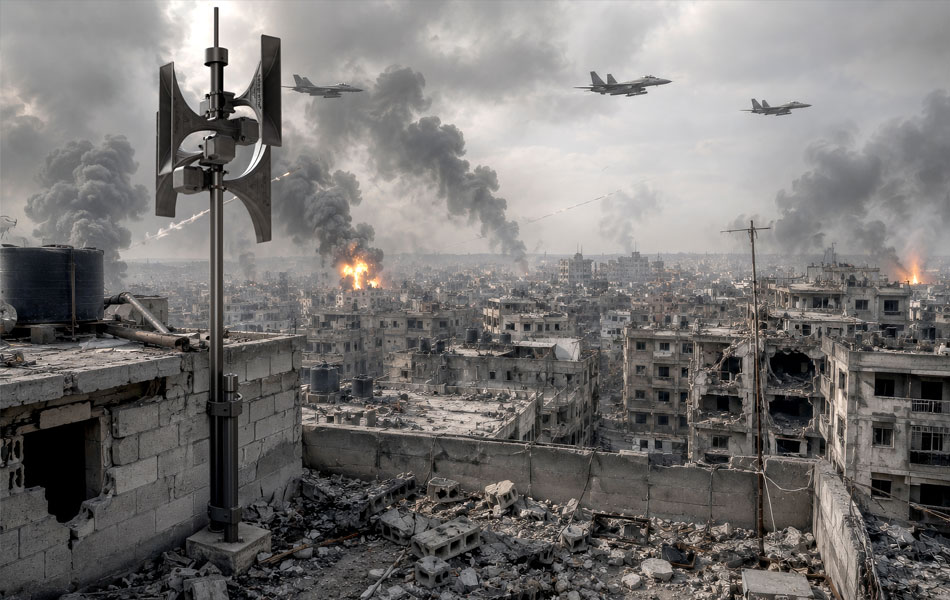
Immediate Warning in the Event of an Air Attack

When a threat is detected, sirens and voice announcements are activated automatically. Within seconds, the public receives clear instructions on how to protect their lives.

Warning system for crisis situations during critical infrastructure damage

Response to Critical Infrastructure Damage

In the event of electricity, water, or gas outages, the system quickly informs the public and provides specific instructions. Warnings can be targeted to particular areas, minimising panic and chaos.

Warning system for crisis situations protecting industry and critical facilities

Protection of Industry and Critical Facilities

In the event of accidents or attacks on strategic facilities, the system enables immediate warning and the activation of protective measures, such as instructions to shelter indoors or evacuate.

Localised warning for specific threats during crisis situations

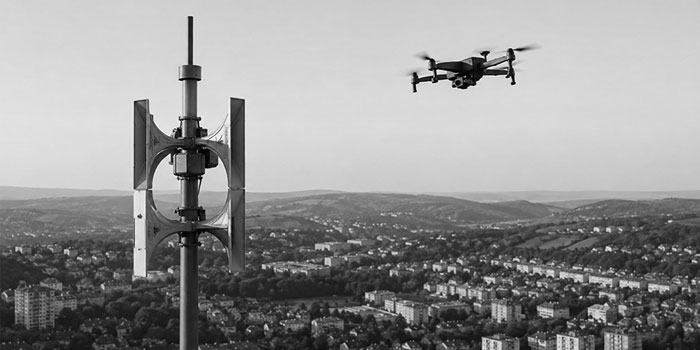
Localised Warning for Specific Threats

When drones or other localised risks are detected, warnings can be activated only in the specific affected area. This provides accurate information without causing unnecessary panic.

Coordinated crisis management response with central and local warning control

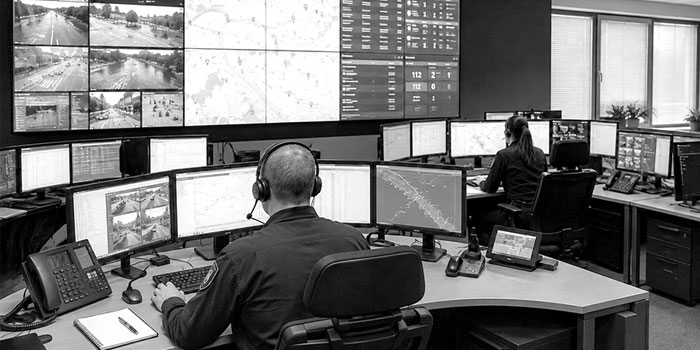
Coordinated Crisis Management Response

The system allows warnings to be activated from different levels of control, both centrally and locally. Predefined scenarios ensure a rapid and coordinated response if the situation escalates.

Warning system for crisis situations supporting evacuation in affected areas

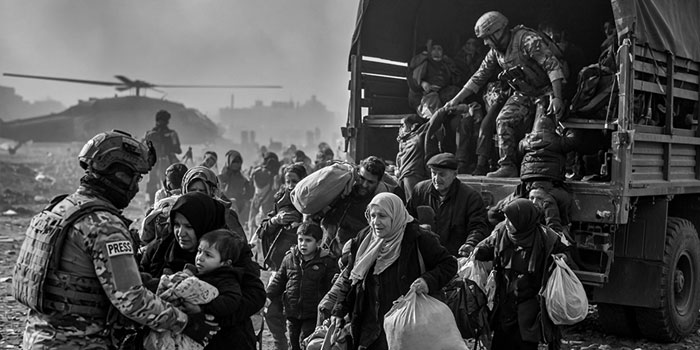
Evacuation Management in Affected Areas

When an area is threatened or damaged, the system supports coordinated evacuation through a combination of fixed, mobile, and portable sirens. Residents are guided directly in the field according to the current situation.

Key Benefits of the Solution

The solution is designed to operate reliably even when conventional technologies and communication networks fail.


Immediate Public Information

  • warnings delivered within seconds,
  • clear voice instructions for rapid orientation and the correct response.


Reliable Operation Even in Extreme Conditions

  • an architecture with no single point of failure,
  • backup power and redundant communication channels,
  • continued operation during power, mobile network, or internet outages.


A Flexible Response to Every Situation

  • area-wide or localised warning according to the type of threat,
  • support for evacuation management,
  • automatic or manual activation according to predefined scenarios.


Continuous Readiness

  • warning continuity even when infrastructure is damaged,
  • autonomous operation when central control is disrupted,
  • reliable operation even during prolonged crises.


Protection of People and Critical Infrastructure

  • reduced risk of panic through precise voice instructions,
  • faster decision-making by crisis management teams,
  • protection of lives, property, and strategic facilities.
Electronic siren for NATO mass warning and notification system in Poland
  1. Mass Warning and Notification (MWN) System for NATO Bases in Poland

Electronic sirens and control equipment in compliance with the project’s specifications.

Electronic siren for NATO mass warning and notification system in Poland
  1. Mass Warning and Notification (MWN) System for NATO Bases in Poland

Electronic sirens and control equipment in compliance with the project’s specifications.

FaQ

What does a warning system for war and crisis situations include?

The solution combines fixed electronic sirens, mobile and portable warning devices, central control, and multiple communication channels into one coordinated system. Its specific configuration is always tailored to the characteristics of the area, the existing infrastructure, the required coverage, and the risks the system must address.

Does the warning system operate during power, internet, or mobile network outages?

Yes. The system can use backup power and multiple independent communication channels to remain operational even when conventional infrastructure fails. The specific level of autonomy and redundancy is designed according to the project’s requirements and the risks in the given area.

What happens if central control or communication with the sirens fails?

Depending on their configuration, individual system components can operate autonomously and can also be activated locally. Predefined scenarios and local control options help preserve warning capability if the central communication infrastructure is disrupted.

Is it possible to warn only a specific at-risk area?

Yes. Depending on the scale and nature of the threat, warnings can be activated for individual sirens, selected zones, or the entire area. This makes it possible to provide the public with relevant warning signals and voice instructions without unnecessarily activating the system in unaffected areas.

How are warnings activated: manually or automatically?

Both methods are possible. The system can be activated manually from a central or local level, or automatically based on information from a connected detection, monitoring, or other external system. Predefined scenarios make it possible to launch the necessary warning processes without unnecessary delay.

How can warning coverage be maintained if the fixed siren infrastructure is damaged?

Coverage can be quickly extended or temporarily replaced using Pavian Car mobile sirens and Pavian Portable sirens. They make it possible to establish warning points directly in affected areas, along evacuation routes, or in places where fixed infrastructure is unavailable.

Can the warning system be integrated with existing infrastructure and external systems?

Yes. The solution can be adapted to existing communication and warning infrastructure and connected to external detection, monitoring, or control systems. The specific architecture and method of integration are designed according to the technical conditions and the required level of redundancy.

What does a warning system for war and crisis situations include?

The solution combines fixed electronic sirens, mobile and portable warning devices, central control, and multiple communication channels into one coordinated system. Its specific configuration is always tailored to the characteristics of the area, the existing infrastructure, the required coverage, and the risks the system must address.

Does the warning system operate during power, internet, or mobile network outages?

Yes. The system can use backup power and multiple independent communication channels to remain operational even when conventional infrastructure fails. The specific level of autonomy and redundancy is designed according to the project’s requirements and the risks in the given area.

What happens if central control or communication with the sirens fails?

Depending on their configuration, individual system components can operate autonomously and can also be activated locally. Predefined scenarios and local control options help preserve warning capability if the central communication infrastructure is disrupted.

Is it possible to warn only a specific at-risk area?

Yes. Depending on the scale and nature of the threat, warnings can be activated for individual sirens, selected zones, or the entire area. This makes it possible to provide the public with relevant warning signals and voice instructions without unnecessarily activating the system in unaffected areas.

How are warnings activated: manually or automatically?

Both methods are possible. The system can be activated manually from a central or local level, or automatically based on information from a connected detection, monitoring, or other external system. Predefined scenarios make it possible to launch the necessary warning processes without unnecessary delay.

How can warning coverage be maintained if the fixed siren infrastructure is damaged?

Coverage can be quickly extended or temporarily replaced using Pavian Car mobile sirens and Pavian Portable sirens. They make it possible to establish warning points directly in affected areas, along evacuation routes, or in places where fixed infrastructure is unavailable.

Can the warning system be integrated with existing infrastructure and external systems?

Yes. The solution can be adapted to existing communication and warning infrastructure and connected to external detection, monitoring, or control systems. The specific architecture and method of integration are designed according to the technical conditions and the required level of redundancy.